Did you know that ladders are involved in 81% of construction worker fall injuries? A simple 10-minute inspection can prevent serious accidents and costly downtime.
Why Ladder Inspections Matter
Whether your ladder sits in the garage for months or is used daily on a job site, regular inspection is essential. ANSI and OSHA both require ladders to be inspected before each use and at regular intervals.
3 Steps to Inspect Your Ladder
- Download the checklist — Use the Louisville Ladder inspection checklist to guide your assessment.
- Print and review — Walk through each item systematically, checking rails, rungs, feet, and locking mechanisms.
- Assess and act — Any damaged ladder must be removed from service immediately. Tag it, report it, and replace it.
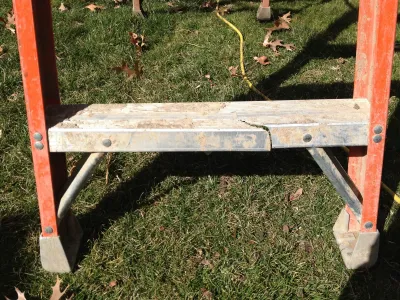
What to Look For
- Bent, cracked, or missing rungs
- Damaged or worn non-slip feet
- Loose or broken hardware (bolts, rivets, hinges)
- Cracks or splits in side rails
- Defective locking mechanisms on extension or step ladders
A ladder that fails inspection is not a ladder — it is a liability. Find the right ladder for your application.